Operating commercial gas stations and industrial sites requires constant attention to safety, environmental protection, and fuel asset control. Behind every fuel dispenser and bulk storage tank lies a complex network of underground and aboveground piping. Without proper upkeep, even a minor pipe leak or valve defect in these systems can lead to severe environmental contamination, sudden fuel loss, and heavy regulatory fines.
Prioritizing regular fuel line maintenance safeguards your facility, keeps product delivery smooth, and ensures full compliance with Saudi environmental and safety standards.
What Is Fuel Line Infrastructure and Why Does It Matter?
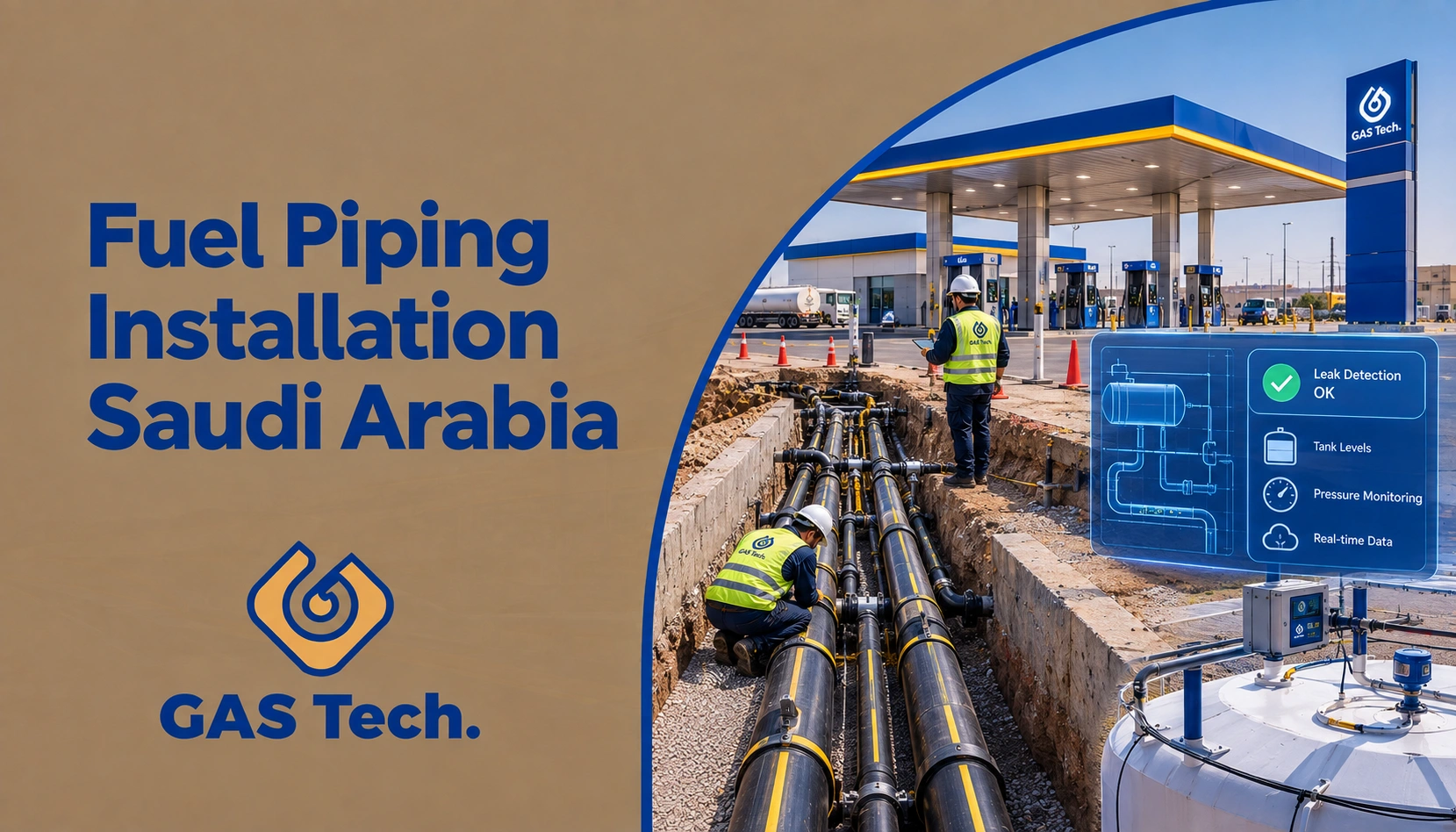
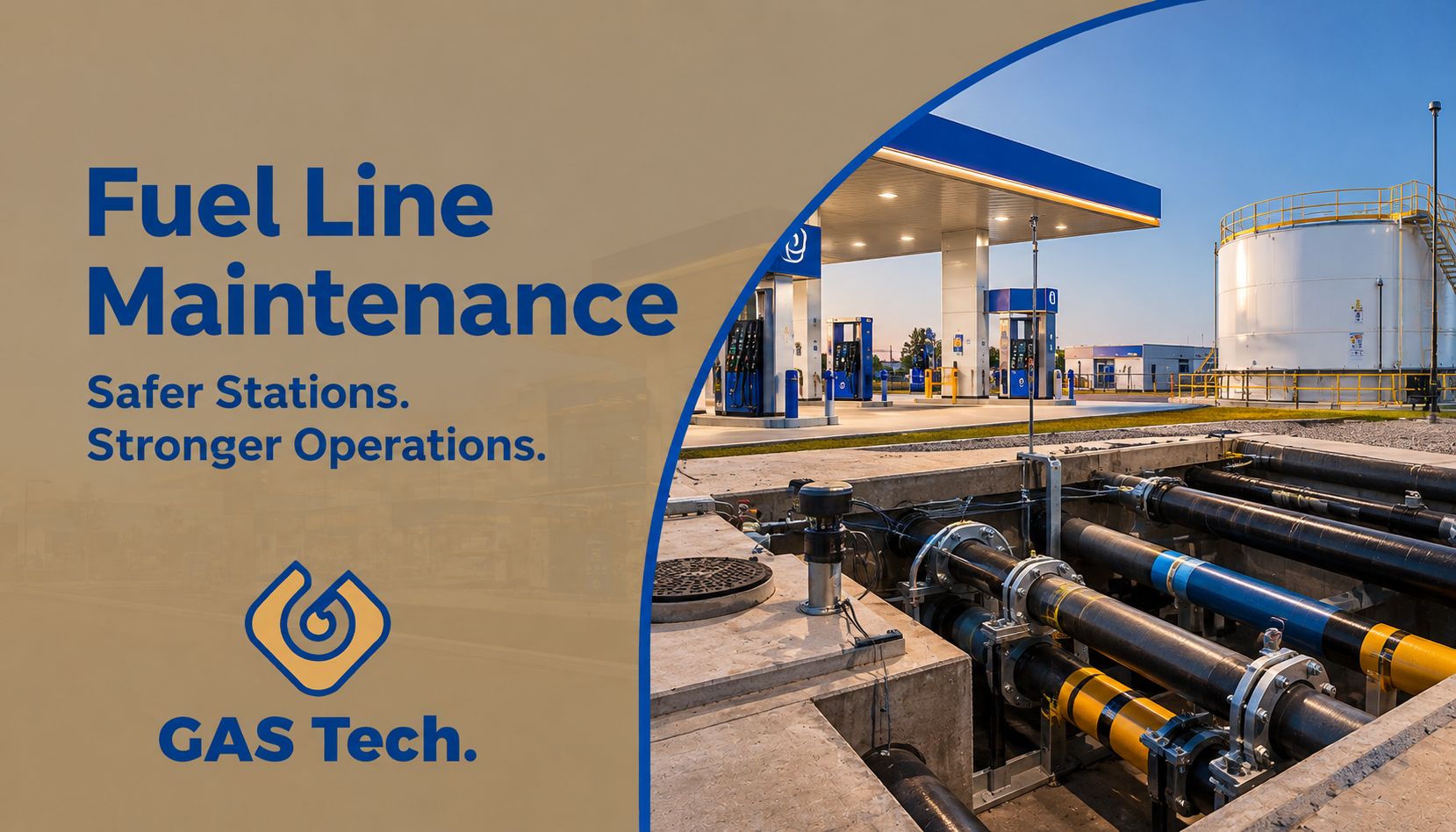
In gas stations and industrial facilities, fuel lines are specialized double-walled pipes or flexible conduits that transfer gasoline and diesel from bulk underground storage tanks directly to surface dispensers. These systems are part of the wider Fuel Station Infrastructure Requirements needed to support safe and reliable station operations. Because fuel travels through these pipes under continuous pump pressure, every fitting, elbow, and containment sump must remain completely leak-proof.
These lines connect critical forecourt hardware, including submersible turbine pumps (STPs), emergency shear valves, and automatic tank gauges. If a fuel pipe experiences structural stress or corrosion, fuel flow degrades, risking both operational safety and profitability.
Keep your pipe network operating at peak performance. Discover how GasTech digitizes pressure monitoring across your entire site.
Core Benefits of Routine Fuel Line Maintenance
Investing time in preventive fuel line maintenance offers essential operational advantages for facility managers:
- Prevents Environmental Hazards: Catching pipe stress early prevents fuel from leaking into the surrounding soil or underground water supplies.
- Reduces Costly Fuel Losses: Eliminating small pressure leaks ensures every gallon pumped from bulk storage reaches the end customer without unaccounted volume loss.
- Extends Station Lifespan: Protecting underground piping from rust, vapor locks, and seal degradation keeps forecourt assets working longer.
- Avoids Sudden Shutdowns: Scheduled inspections prevent sudden station downtime caused by pipe ruptures or pressure valve failures.
Prevent environmental risks and eliminate fuel loss before it hits your bottom line. Partner with GasTech for reliable station protection.
Common Signs Your Station Piping Needs Inspection
Before a fuel pipe failure stops your daily operations, your forecourt equipment usually shows clear warning signals:
- Unexplained Fuel Volume Drops: An imbalance between fuel drawn from tanks and volume sold through dispensers often indicates an underground pipe leak.
- Fuel Vapors or Liquid in Containment Sumps: Finding fuel or heavy vapor inside dispenser sumps or STP pits indicates a loose fitting or cracked pipeline.
- Slow Dispenser Flow Rates: If fuel pumps operate noticeably slower than usual, a clogged pipe filter or fuel line obstruction may be restricting fluid flow.
- Frequent Pressure Alarms: Continuous pressure drops reported by your leak detection system mean the pipe network is failing to hold pressure
Essential Steps for Effective Fuel Line Maintenance
Taking a structured approach to fuel line maintenance helps station operators avoid catastrophic failures. Best practices include:
- Perform Pressure & Line Leak Testing: Regularly conduct precision line leak detection tests to verify that underground piping maintains proper pressure under operating conditions.
- Inspect Dispenser & Tank Sumps: Check containment sumps monthly to clear out water, debris, or fuel residue that can corrode pipe fittings over time.
- Verify Emergency Valves & Pipe Joints: Verify that emergency shut-off valves and flexible pipe joints remain functional and free from physical stress.
- Clean & Replace Line Strainers: Clean fuel filters and inline strainers regularly to remove sediment before it restricts fluid movement.
- Monitor Cathodic Protection Systems: Ensure rust prevention systems on metallic pipes are functioning properly to avoid pipe corrosion.
Simplify your daily forecourt maintenance routine. Schedule a consultation with GasTech to streamline your site operations.
Integrating Fuel Line Maintenance with GasTech Smart Solutions
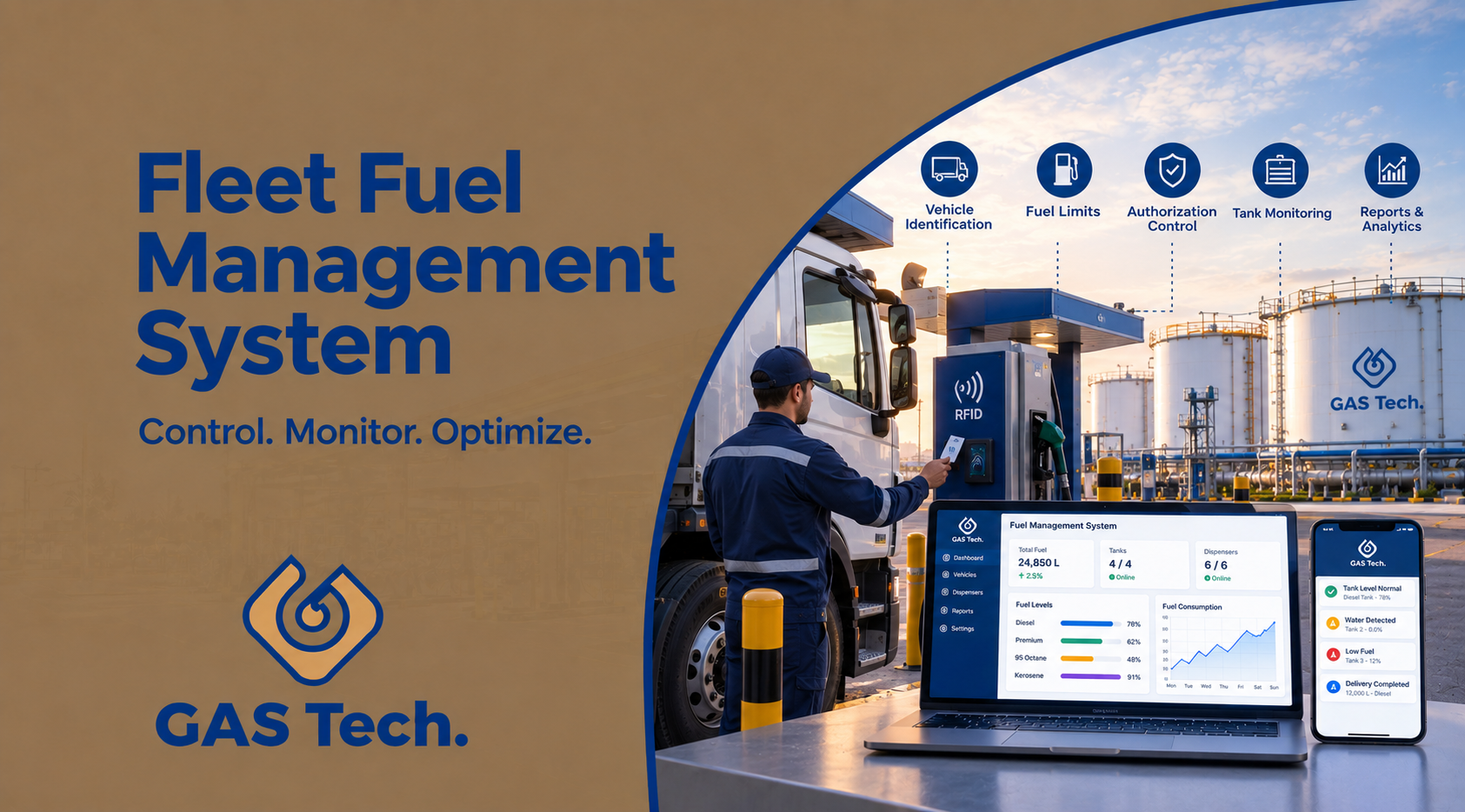
While manual inspections are essential, modern commercial fleets rely on digital monitoring to manage system health efficiently. A Fleet Fuel Management System can also connect fuel usage, vehicle activity, and dispensing data with broader operational controls. Combining physical fuel line maintenance with the GasTech ecosystem provides complete control over your fuel operations.
1. Predictive Maintenance and Engine Diagnostics
GasTech reads real-time engine computer data to track fuel consumption rates and engine hours. If a damaged hose causes a sudden pressure drop or abnormal fuel burn, the platform automatically generates diagnostic alerts so technicians can schedule preventive fuel line maintenance before a complete breakdown occurs.
2. Real-Time Leak and Theft Detection
GasTech utilizes advanced tank level sensors and flow monitors through its Fuel Tank Monitoring System in Saudi Arabia to track fuel volumes continuously. If a fuel line leaks or is disconnected intentionally, the system immediately sends instant alerts via SMS or pop-up notifications, allowing managers to stop fuel loss right away.
3. Automated RFID Fuel Dispensing
By using an RFID Fuel Management System and attaching GasTech RFID tags to authorized vehicles, pumps open automatically only for registered assets. This ensures clean, controlled refilling while recording every gallon dispensed to prevent unauthorized siphoning or fuel mixing.
Ready to upgrade to real-time leak alerts and automated inventory matching? Request a live GasTech system demo now.
How Technical Training Enhances Fuel Line Maintenance Safety
Proper fuel line maintenance requires skilled technicians who understand safety protocols and international industry standards. Dealing with pressurized fuel systems involves volatile fluids, making proper training vital for reducing workplace accidents.
GasTech provides specialized professional training programs aligned with international standards such as API 570 (Piping Inspection and Maintenance) and ISO 45001 (Occupational Health and Safety). Training your technical team ensures:
- Quick and accurate diagnosis of fuel line leaks and pressure faults.
- Compliance with local health, safety, and environmental standards.
- Safe handling of hazardous materials during maintenance procedures.
- Accurate training record documentation to meet Saudi Arabia’s “Qiwa” platform compliance requirements for private sector enterprises.
Selecting the Right Hardware for Long-Term Fuel Line Maintenance
Building a durable fuel delivery system depends heavily on selecting the correct piping hardware for your site:
| Station Application | Recommended Hardware | Key Benefit |
| Underground Piping (Forecourt) | Double-walled flexible polyethylene (HDPE) piping | Resists ground movement, avoids corrosion, and offers secondary leak containment |
| High-Risk Connection Points | Stainless steel flex connectors & shear valves | Provides mechanical flexibility and shuts off fuel flow instantly during collisions |
| Underground Sumps & Pits | Corrosion-resistant fiberglass containment sumps | Keeps groundwater away from fuel lines and catches internal pipe leaks safely |
Pairing high-quality forecourt hardware with regular fuel line maintenance guarantees reliable fuel delivery and long-term peace of mind.
Upgrading your station’s piping hardware? Talk to GasTech consultants to select the durable components built for your exact operational needs.
Conclusion
Proactive fuel line maintenance is a critical operational practice that protects gas stations and industrial facilities from fuel loss, environmental risks, and costly downtime. By identifying pipe leaks early, inspecting sumps regularly, and utilizing GasTech’s automated Remote monitoring and management tools, business owners maintain complete forecourt control.
Contact our technical consultation team today to learn how GasTech can help digitize your station operations, automate maintenance alerts, and secure your fuel infrastructure!
FAQs
Gas stations should conduct visual inspections of sumps and fittings monthly, while precision mechanical or electronic line leak tests should be performed annually to comply with environmental regulations.
GasTech connects to line leak detectors and ATG consoles to track pressure changes and stock balancing in real time. If a fuel pipe leaks, the system triggers immediate alarms and provides data to schedule targeted fuel line maintenance.